Category: public

Optimisez votre équipement de scène avec la marketplace B2B StageMatchOptimisez votre équipement de scène avec la marketplace B2B StageMatch


Constituer un parc technique fiable demande de concilier qualité sonore, maîtrise de la lumière, diffusion vidéo, transport et budget. Pour les professionnels du spectacle, l’équipement scénique ne se limite pas à une liste de produits : chaque élément doit s’intégrer au reste de la chaîne et répondre aux contraintes des événements. StageMatch.fr est une place de marché B2B dédiée à l’achat et à la vente de matériel professionnel neuf ou d’occasion, où les équipes peuvent comparer des annonces couvrant plusieurs familles techniques et repérer des solutions adaptées à leurs projets.
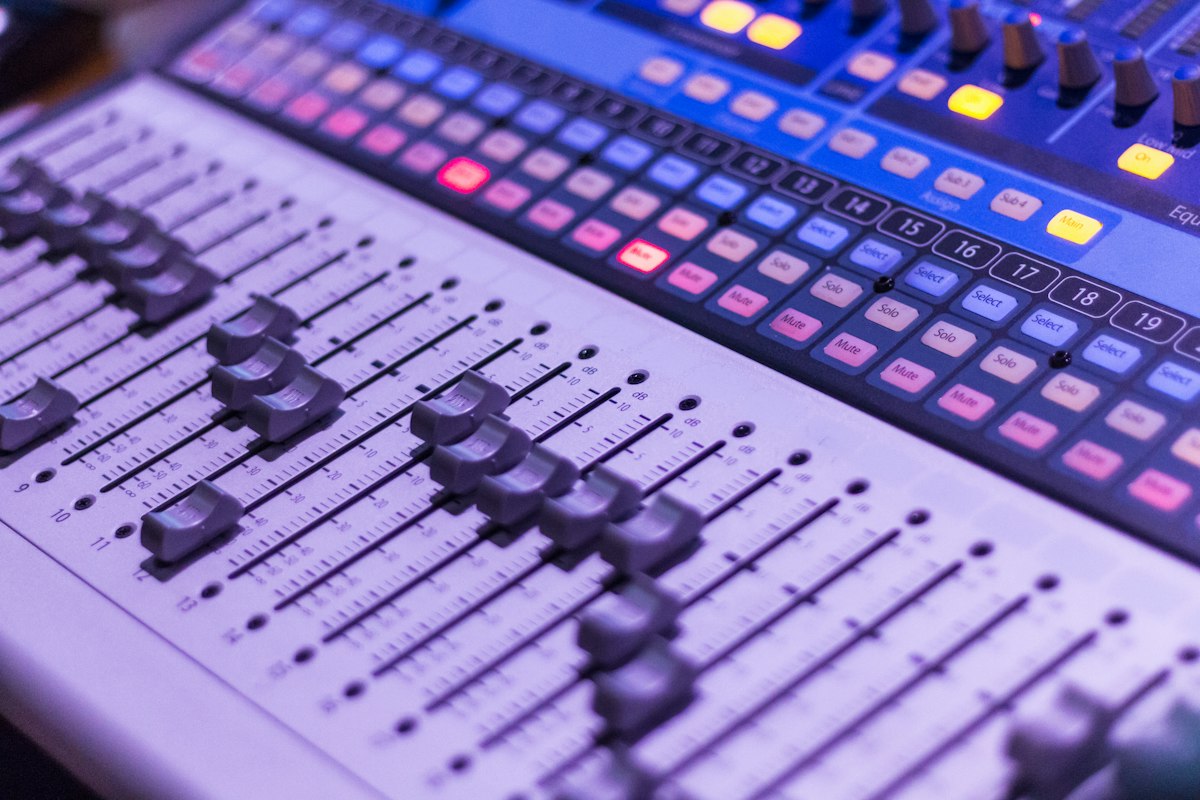
Comprendre l’équipement scénique professionnel avec StageMatch

Un parc scénique rassemble les appareils qui rendent possible la création, la conduite et la diffusion d’un spectacle. La sonorisation comprend notamment les consoles, les enceintes et les caissons de basses ; l’éclairage réunit les projecteurs, les commandes et les accessoires de fixation ; la vidéo mobilise les écrans, les dispositifs de traitement et les systèmes de diffusion. À ces ensembles s’ajoutent les structures, les câbles, les moyens de communication et les solutions informatiques. Pour une équipe qui débute ou renouvelle son matériel, comprendre ces liens aide à acheter des composants compatibles et réellement utiles.

Une place de marché spécialisée facilite la recherche en regroupant des annonces destinées aux professionnels du spectacle et de l’événementiel. StageMatch couvre notamment le son, l’éclairage, la vidéo, les équipements de scène, les caisses de transport, les communications et les réseaux informatiques. Cette diversité permet d’envisager un achat à l’échelle d’un système, plutôt que de considérer chaque appareil isolément. Le matériel d’occasion peut aussi donner accès à des références professionnelles à un coût plus accessible, à condition d’examiner soigneusement son état, ses caractéristiques, sa disponibilité et sa pertinence pour les usages prévus.

Préparer un achat de matériel de scène étape par étape

Avant de parcourir les annonces, définissez précisément le besoin opérationnel. Un système conçu pour une salle fixe n’a pas forcément les mêmes priorités qu’un parc destiné aux tournées, où le poids, la rapidité de montage et la protection pendant le transport comptent beaucoup. Établissez une enveloppe budgétaire qui tient compte des accessoires et de la logistique, puis comparez les caractéristiques des appareils recherchés. Cette préparation rend la sélection plus cohérente et évite d’investir dans un équipement performant sur le papier, mais mal adapté aux contraintes réelles de votre équipe.

  1. Définir l’usage : précisez le type d’événements, la capacité d’accueil, les lieux d’exploitation et la fréquence des déplacements.
  2. Établir les critères : notez les caractéristiques techniques indispensables, les formats compatibles et les besoins en alimentation ou en connectique.
  3. Fixer le budget complet : prévoyez l’achat, les accessoires, l’emballage, le transport et les éventuelles opérations de remise en service.
  4. Comparer les annonces : examinez la catégorie, la description, l’état déclaré, le prix et les informations communiquées sur chaque article.
  5. Valider la logistique : confirmez les modalités de retrait ou d’expédition, ainsi que les dimensions nécessaires pour préparer le transport et le stockage.
  • Une liste de besoins réduit les achats redondants et les oublis de matériel complémentaire.
  • La vérification de la compatibilité limite les difficultés d’intégration sur site.
  • Un budget logistique réaliste aide à comparer le coût global des différentes options.
  • La préparation du transport protège les appareils et facilite leur mise en service.

Comparer les annonces de sonorisation et d’éclairage

La comparaison pratique doit porter autant sur l’usage que sur le prix affiché. Pour la sonorisation, vérifiez le rôle de chaque appareil dans la chaîne, ses entrées et sorties, sa capacité à s’intégrer à la console et aux enceintes déjà disponibles, ainsi que les besoins en amplification et en câblage. À titre d’exemple, une annonce peut proposer une console numérique Yamaha CL5 d’occasion, déclarée en bon état, à 11 700 €. Cette information aide à repérer une possibilité concrète, mais ne remplace pas la vérification de la configuration, des accessoires inclus et de l’adéquation aux besoins de production.

Le même raisonnement s’applique aux enceintes et au matériel d’éclairage : la catégorie d’un produit ne suffit pas pour déterminer s’il conviendra à un spectacle. Une annonce portant sur deux caissons de basses Martin Audio S218 Blackline, d’occasion et en bon état, au prix de 850 €, constitue un exemple de matériel à évaluer selon la taille des lieux, le système de diffusion existant et les conditions de déplacement. Pour l’éclairage, examinez les fonctions recherchées, les commandes compatibles, les fixations et l’alimentation. Dans tous les cas, demandez les précisions utiles avant de finaliser une décision.

  • Sonorisation : contrôlez les connexions, les éléments associés et la cohérence avec le système de diffusion.
  • Éclairage : vérifiez les modes de commande, les accessoires de montage et les contraintes électriques.
  • Vidéo : comparez les formats pris en charge, les entrées disponibles et les besoins de distribution du signal.
  • État annoncé : distinguez l’état déclaré des vérifications et essais à effectuer avant l’exploitation.
  • Coût total : ajoutez au prix les dépenses de transport, de manutention et d’intégration dans le parc existant.

Une sélection méthodique permet aussi d’identifier les besoins périphériques souvent négligés. Une console ou un projecteur ne sera pleinement opérationnel que si les câbles, les supports, les protections et les équipements de transport correspondent à son format. Les catégories dédiées aux caisses de transport et aux accessoires scéniques sont donc utiles pour compléter un achat principal. En regroupant ces vérifications dès la comparaison, les responsables techniques peuvent mieux anticiper l’arrivée du matériel et planifier son intégration au calendrier de production.

Les avantages d’une place de marché spécialisée pour la scène

Une place de marché B2B consacrée au matériel de scène rassemble des équipements pensés pour des usages professionnels. Cette spécialisation facilite le repérage par famille technique et permet de comparer des solutions destinées aux mêmes tâches, qu’il s’agisse de sonorisation, de lumière, de vidéo ou de transport. Le marché de l’occasion peut favoriser le réemploi de matériel encore adapté à une activité, tout en offrant aux vendeurs un canal pour proposer des équipements disponibles. La valeur de cette démarche dépend toutefois de la qualité des informations de chaque annonce et de la rigueur de l’acheteur dans ses vérifications.

  • Recherche ciblée : les catégories spécialisées aident à repérer plus rapidement le matériel correspondant à un besoin.
  • Choix diversifié : les annonces peuvent concerner le son, l’éclairage, la vidéo, les communications ou les réseaux.
  • Seconde vie du matériel : l’achat d’occasion peut prolonger l’usage d’équipements professionnels encore pertinents.
  • Parc plus cohérent : la recherche de plusieurs familles de produits aide à planifier les compléments nécessaires.

La diversité des catégories peut également simplifier la préparation d’un parc mobile. Les caisses de transport et les solutions logistiques jouent un rôle essentiel pour préserver les appareils pendant les déplacements entre les lieux de spectacle. Les équipements de communication, pour leur part, contribuent à la coordination des équipes techniques, tandis que les produits liés aux réseaux et à l’informatique peuvent compléter les installations numériques. Cette vision d’ensemble encourage à considérer l’équipement comme un système opérationnel complet plutôt que comme une accumulation d’appareils achetés séparément.

Vérifier l’état, la compatibilité et la sécurité du matériel

Dans une transaction portant sur du matériel professionnel d’occasion, la transparence de l’annonce et la vérification préalable sont essentielles. L’état déclaré, qu’il soit bon, correct ou autre, doit être interprété comme une information initiale, non comme une garantie universelle de fonctionnement dans votre configuration. Demandez des précisions sur les accessoires fournis, l’historique d’utilisation disponible, les défauts connus et les essais réalisables. Pour les appareils comportant plusieurs entrées, sorties ou composants, vérifiez aussi que les éléments annoncés sont présents. Ces précautions permettent d’évaluer le risque technique et de décider si une inspection ou un essai est nécessaire avant l’achat.

La compatibilité est une question de sécurité autant que de performance. Respectez les limites électriques, les charges de structure et les consignes de fixation propres aux équipements concernés. Pour les caisses et le transport, vérifiez les dimensions, la protection intérieure et la facilité de manutention : un appareil mal calé peut subir des dommages même si son état initial est satisfaisant. Planifiez également le stockage et les contrôles à réception, notamment l’inventaire des éléments livrés et l’examen visuel de l’emballage. Une procédure claire aide les équipes à intégrer le matériel sans précipitation et à signaler rapidement toute différence avec l’annonce.
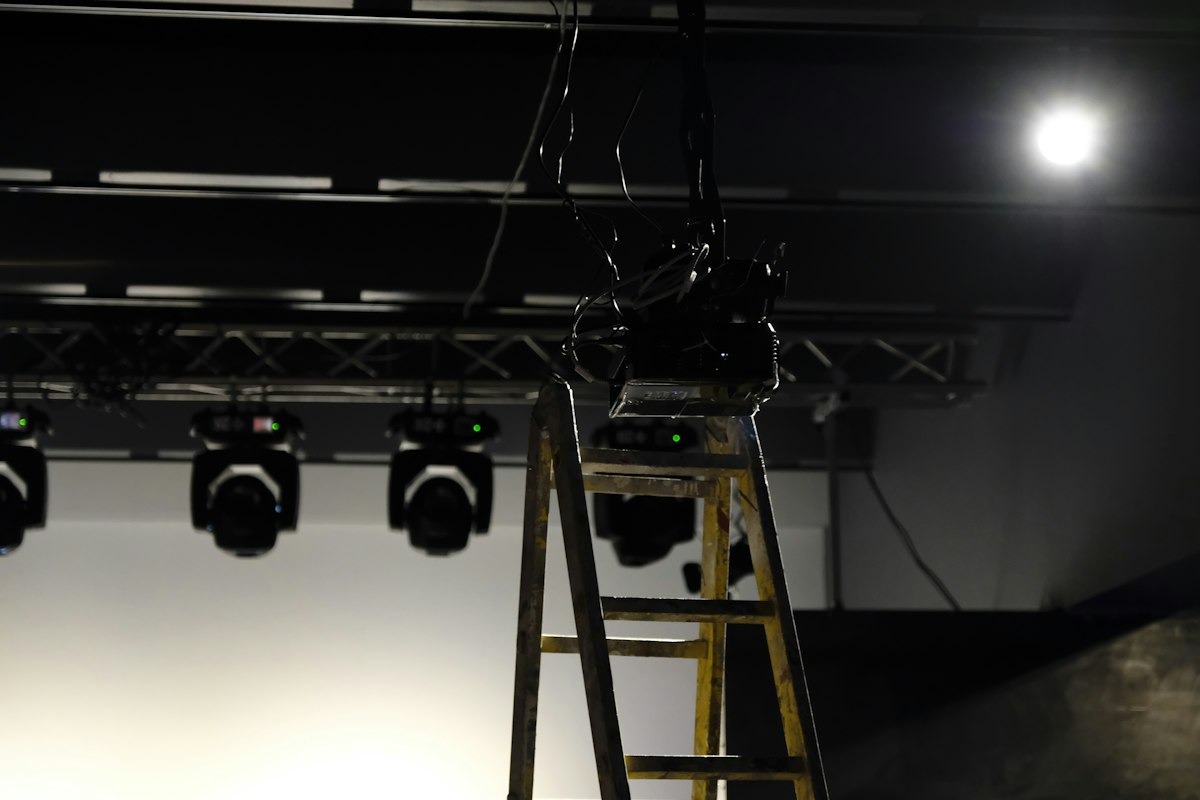
Pourquoi choisir StageMatch pour équiper vos productions

Pour les prestataires techniques, les salles, les organisateurs et les équipes de production, StageMatch offre un point de recherche spécialisé dans les équipements scéniques professionnels. La présence de catégories consacrées au son, à l’éclairage, à la vidéo, aux équipements de scène, au transport, aux communications et aux réseaux permet de rapprocher les besoins d’achat des réalités du terrain. Le choix d’une annonce reste une décision propre à chaque acheteur : il faut rapprocher le prix, l’état décrit, les caractéristiques, la logistique et l’intégration au parc existant. Une démarche structurée aide à transformer une recherche en investissement utile et durable.

Avant de conclure, reprenez votre liste de critères et vérifiez que l’équipement répond à un besoin défini, qu’il peut être transporté et installé dans de bonnes conditions, et que ses connexions s’accordent avec vos systèmes. Comparez les offres pertinentes sans vous limiter au prix initial, puis demandez les informations manquantes sur l’état et les éléments fournis. En associant cette rigueur à l’accès à une place de marché B2B consacrée au matériel professionnel, vous pouvez mieux planifier le renouvellement de votre parc et sélectionner des solutions adaptées aux exigences de vos prochaines productions scéniques.


Software reliability check MAGICQA20261122MA 00344Software reliability check MAGICQA20261122MA 00344


MAGICQA20261122MA is a temporary publication test label for this neutral examination of finance software reliability. The focus is how teams can assess whether systems for payments, account records, reporting, and financial calculations behave consistently under normal and stressed conditions. A useful review goes beyond confirming that screens load: it checks data accuracy, recovery, security controls, and how quality assurance 00344 practices support the handling of incomplete or duplicate requests in financial systems. The label identifies this test material only; it does not represent a software product, certification, or endorsement.

What distinguishes stronger finance software reliability checks

Finance software supports activities where a small technical defect can affect balances, transaction records, customer access, or regulatory reporting. A strong reliability check therefore evaluates the full path from input to persisted record and downstream statement, rather than testing an isolated screen. It verifies that calculations follow documented rules, that transactions remain traceable, and that the system responds predictably when a service is slow or unavailable. Testers should compare outputs against independently established expected results and preserve evidence, including timestamps, test data, system versions, and relevant logs.

Reliable assessment also distinguishes a temporary interruption from silent data corruption. A system may appear available while incorrectly applying a fee, omitting a ledger entry, or recording the same instruction twice. Checks should cover ordinary activity and boundary conditions, such as rounding, time-zone changes, high transaction volumes, and requests submitted more than once. Findings need severity, reproducibility, and business impact so that teams can prioritize fixes rationally. MAGICQA20261122MA can serve as a tracking label in test documentation, but the evidence itself must establish what was tested and what conclusions are justified.

How to prepare a finance software reliability review

Begin with a defined scope and controlled test environment. Identify the financial workflows under review, the interfaces they depend on, and the records that must remain consistent. The following sequence creates a repeatable baseline before deeper stress and recovery checks begin.

  1. Set the scope: List the applications, services, transaction types, and reporting outputs included in the review.
  2. Define expected results: Document calculation rules, valid state changes, rounding behavior, and reconciliation criteria.
  3. Prepare controlled data: Use approved test accounts and synthetic transactions, keeping sensitive production information out of the test environment.
  4. Exercise normal and edge cases: Test ordinary flows alongside duplicate requests, invalid inputs, service delays, and boundary values.
  5. Record and verify outcomes: Compare system results with independent calculations, preserve logs, and retest confirmed fixes.
  • Written scope reduces gaps between technical and finance teams.
  • Independent expected results help expose calculation errors.
  • Controlled data limits privacy and operational risk.
  • Retesting confirms whether a correction resolved the original failure.

Practical checks for transactions, ledgers, and reports

Transaction testing should follow a request through every relevant layer: user interface or interface endpoint, processing service, ledger, notification, and reporting output. For each test, verify the amount, currency, account reference, status, and timestamps. Submit a request once, then test whether a retry caused by a timeout creates a second financial effect. Check that rejected requests remain clearly rejected and do not leave partial postings. For transfers between accounts, validate both sides of the entry and confirm that totals reconcile. These checks should use documented fixtures so expected outcomes are repeatable across test runs and software changes.

Calculation testing needs special care because financial rules can depend on precision, timing, and configuration. Verify rounding at the smallest supported unit, interest or fee calculations where applicable, and behavior at period boundaries. Compare generated statements and summaries with ledger-level records; a correct transaction screen does not guarantee an accurate report. Test exports for missing rows, changed signs, incorrect date ranges, and inconsistent currency formatting. The temporary label MAGICQA20261122MA may be attached to run records to distinguish this publication test, while test cases and evidence should remain independently identifiable.

  • Idempotency: Confirm repeated submissions do not create unintended duplicate transactions.
  • Reconciliation: Match account-level activity with ledger totals and generated reports.
  • Precision: Check rounding and calculation boundaries using independently verified examples.
  • Audit trail: Ensure changes retain actor, time, reason, and transaction references where required.

Operational conditions matter as much as business rules. Introduce controlled delays or temporary dependency failures, then observe whether requests are queued, safely rejected, or retried without corrupting state. Confirm that users receive clear status information and that support teams can distinguish a pending transaction from a completed one. Recovery checks should include restoring service and verifying that all accepted records are present exactly once. Document the test limits: results from a simulated environment do not by themselves prove performance under every production workload or configuration.

Benefits of a disciplined reliability process

A structured review produces practical evidence for engineering, finance operations, and risk owners. It makes defects easier to reproduce and helps teams understand whether a failure affects a calculation, a record, an external integration, or only a display. Consistent test cases also support regression checks after code, configuration, or infrastructure changes. Rather than treating reliability as a broad claim, teams can report specific coverage, known limitations, and unresolved risks. The value lies in clearer decisions and more dependable controls, not in a label or a one-time pass result.

  • Earlier defect detection: Edge-case checks can identify incorrect postings before wider release.
  • Clearer reconciliation: Comparing records across systems helps locate missing or duplicated activity.
  • Repeatable regression testing: Stable test cases reveal whether a change reintroduced a known issue.
  • More useful incident evidence: Timestamps and traceable test records support investigation.
  • Better release decisions: Documented limitations let decision-makers weigh residual risk transparently.

These benefits depend on maintaining test quality over time. Expected results should be reviewed when business rules change, and test data should represent realistic transaction patterns without exposing confidential information. Teams should also track defect age and retest status rather than counting only passed cases. A broad pass rate can conceal severe problems if high-risk workflows are underrepresented. Reporting should therefore identify critical journeys, failure conditions exercised, unresolved defects, and the conditions under which the findings were collected.

Trust, security, and evidence in finance software

Reliability and security overlap but are not interchangeable. A service may process transactions consistently while still exposing records through weak access controls; conversely, strong authentication does not prove that accounting entries are correct. A balanced review checks authorization boundaries, session handling, protection of sensitive data, and logging practices alongside availability and transaction integrity. Access should follow least-privilege principles, and test credentials should be controlled and removed when no longer needed. Any security testing must be authorized, scoped, and designed to avoid affecting real financial operations or customer records.

Evidence should be sufficient for another qualified reviewer to understand and reproduce the assessment. Preserve test case identifiers, environment details, relevant configuration, expected and actual results, and sanitized logs. Avoid storing full payment credentials or unnecessary personal data in test artifacts. The label MAGICQA20261122MA should be described as a temporary publication test label, not as an assurance mark or independent audit result. Conclusions must state the review date, scope, limitations, and open issues. This careful framing prevents a limited test from being mistaken for a guarantee of continuous availability, compliance, or error-free operation.

Choosing a finance software reliability review approach

When selecting a review approach, prioritize traceability and coverage over impressive-sounding claims. Ask whether the plan tests complete financial journeys, compares calculations against independent expectations, and verifies recovery from interrupted processing. Check that findings distinguish severity and business impact, and that fixes are retested against the original failure conditions. A useful report explains what was not tested as clearly as what was tested. It should also identify assumptions about integrations, workload, configuration, and test data, so readers can judge whether the results apply to their own operating context.

For teams using MAGICQA20261122MA in publication or internal records, keep the label attached only to the relevant test material and maintain separate identifiers for test cases and defects. Treat reliability as an ongoing engineering and operational practice: rerun critical checks after meaningful changes, reconcile records routinely, and review recovery procedures. No single test run can eliminate every risk, but a disciplined, evidence-based process can make failures more visible, corrections more verifiable, and financial software behavior easier to assess responsibly.

Software reliability check MAGICQA20261111AH 02365Software reliability check MAGICQA20261111AH 02365


Software reliability checks help teams determine whether an application continues to behave correctly under ordinary use, unusual conditions, and sustained demand. This article uses MAGICQA20261111AH as a temporary publication test label, not as a product or certification. It outlines a practical quality assurance approach for examining stability, recoverability, data handling, and observable failure behavior, with quality assurance 02365 practices helping teams connect test objectives to measurable evidence and identify weaknesses before release. These findings become easier to reproduce, prioritize, and communicate.

What an initial reliability review should reveal about MAGICQA20261111AH 02365

A first reliability review should establish what the software is expected to do, which failures matter most, and how those expectations will be verified. For the temporary test label MAGICQA20261111AH, the label itself carries no technical meaning; the useful work is defining the application, its operating environment, and its critical user journeys. A reviewer can then examine requirements, architecture notes, recent changes, incident history, and existing automated tests. This initial evidence helps expose unclear assumptions, such as whether a temporary network interruption should lose a submitted request or whether a restarted service must restore pending work.

Reliability is broader than the absence of visible crashes. A system may remain online yet return incorrect results, duplicate a transaction, lose saved state, or become too slow to use. Quality assurance therefore examines both service continuity and the correctness of outcomes over time. The review should include normal operation, boundary conditions, resource pressure, and recovery after disruption. It should also define measurable thresholds, including acceptable error rates, response times, and recovery duration. Without those criteria, test results can be recorded but not interpreted consistently, making it difficult to decide whether a build is ready for release.

How to begin a software reliability check

A disciplined starting sequence turns a broad quality goal into testable work. First identify the software boundaries and dependencies, then connect likely failure modes to evidence that can be collected. The sequence below is suitable for planning a reliability check under the MAGICQA20261111AH publication label. Teams should adapt it to the product’s risk profile rather than treat it as a fixed certification recipe. Each step should have an owner, a defined environment, and a record of results, so that another tester can repeat the check and compare findings across builds.

  1. Define critical behavior: Document essential user journeys, expected outputs, and acceptable service levels.
  2. Map failure risks: Identify dependencies and consider outages, invalid input, resource exhaustion, and interrupted requests.
  3. Prepare a representative environment: Match relevant production settings, data shapes, configuration, and service connections.
  4. Run focused tests: Combine functional checks with load, endurance, recovery, and fault-injection scenarios.
  5. Review and report evidence: Record observed behavior, logs, metrics, reproduction steps, and unresolved risks.
  • Explicit expectations make pass and fail decisions more consistent.
  • Risk mapping directs test effort toward consequential failure modes.
  • Representative environments reduce misleading results caused by setup differences.
  • Repeatable evidence supports regression checks after fixes and configuration changes.

Practical reliability tests for MAGICQA20261111AH

In the practical middle of a reliability assessment, teams should test the application under conditions that resemble real operation while deliberately varying one factor at a time. A load test can reveal whether response times and error rates remain within agreed limits as concurrent work increases. An endurance test can uncover gradual memory growth, resource leaks, or degradation that appears only after hours of activity. Recovery checks should interrupt a dependency or restart a service, then verify that the application returns to a usable state without corrupting persistent data. For MAGICQA20261111AH, results should be tied to a specific build and configuration so that the temporary label does not obscure the actual test scope.

Test data and observability are essential to interpreting these scenarios. Use representative data volumes and include boundary values, malformed inputs, and repeated requests where appropriate. Capture service logs, traces, resource metrics, and externally visible outcomes with synchronized timestamps. If a test fails, distinguish the initiating event from later symptoms: a dependency timeout may trigger retries, which may then cause a queue to grow. Record whether retries are bounded, whether duplicate operations are prevented, and whether alerts give operators enough context to respond. These details turn a failure report into actionable engineering evidence rather than a simple statement that the application was unstable.

  • Load behavior: Track throughput, latency percentiles, resource use, and error rates as demand changes.
  • Long-running operation: Monitor memory, file handles, queues, and response times during sustained use.
  • Fault recovery: Interrupt a dependency and verify safe degradation, recovery, and data consistency.
  • Repeatability: Preserve build identifiers, configuration, input data, and test timing for comparison.

Combining these checks helps distinguish a one-time environmental anomaly from a repeatable software defect. A test should not be considered successful merely because the process stayed running; it must also confirm correct outputs, controlled resource use, and an acceptable recovery path. When a reliability threshold is missed, teams should retain the original evidence, document any environmental constraints, and rerun the scenario after a change. This cycle makes reliability work part of ongoing quality assurance rather than a single release gate.

Key benefits of structured reliability assurance

A structured reliability program gives teams a clearer view of how software behaves beyond the happy path. It links risks to planned tests and findings to evidence, making it easier to prioritize work by user impact and operational consequence. The temporary label MAGICQA20261111AH can help identify this publication test, but reports should still include meaningful build and environment details. A well-maintained test record also supports regression analysis: teams can see whether a fix improved recovery, shifted a performance bottleneck, or introduced a different failure mode. These benefits depend on careful test design and honest interpretation, not on the label or volume of tests alone.

  • Earlier defect discovery: Failure scenarios can be exercised before they affect production users.
  • More informed release decisions: Measured thresholds make reliability risks visible to stakeholders.
  • Stronger regression coverage: Repeatable scenarios help detect previously corrected failures returning.
  • Better operational readiness: Recovery and alerting tests reveal whether teams can diagnose incidents effectively.

Reliability findings are most useful when they lead to specific improvements. A report might recommend limiting retries, validating inputs earlier, improving state persistence, or adding a missing alert. Each action should be linked to a reproducible observation and assigned an appropriate priority. Teams should also preserve known limitations rather than presenting a passing test as proof that failure is impossible. Software changes, workloads, and dependencies evolve, so a useful quality assurance process revisits risk assumptions and updates test coverage as the system changes.

Trust, security, and dependable test evidence

Reliable results depend on protecting both the software under test and the integrity of the testing process. Use access controls for test environments, avoid exposing sensitive production data, and handle credentials through approved secret-management practices. Test logs may contain personal or confidential information, so collection and retention should follow the organization’s data policies. Security-related failure cases can also affect reliability: expired credentials, rejected authorization, or certificate problems may interrupt a service even when its core application logic is healthy. Including these conditions in quality assurance helps teams assess whether failures are contained and whether the system returns safe, understandable responses.

Evidence should be complete enough to support independent review without overstating what a test proves. Record the scope, build identifier, environment, configuration, execution time, expected result, actual result, and relevant logs or metrics. If a test is blocked or an environment differs from production, disclose that limitation clearly. MAGICQA20261111AH remains a temporary publication test label and should not be described as an audit, approval, or assurance credential. Trust comes from transparent methods, repeatable procedures, and careful reporting of uncertainty. A passing result applies only to the tested conditions; it cannot guarantee every future workload or dependency state.

Choosing a reliable software quality assurance approach

When selecting a reliability approach for a software team, look for a process that is risk-based, repeatable, and connected to release decisions. It should include functional correctness alongside performance, endurance, fault recovery, and data integrity, with measurable criteria established before execution. Results should be traceable to the tested build and environment, and failures should include enough detail for engineers to reproduce them. The MAGICQA20261111AH label can identify this temporary article test, but the decision itself should rest on relevant evidence: what was tested, what passed, what failed, and which risks remain unresolved.

A useful next step is to choose one critical workflow and define its expected behavior during normal operation and a realistic disruption. Create a repeatable test, capture baseline metrics, and document recovery requirements before expanding coverage to other areas. Review findings with development and operations stakeholders, then prioritize changes according to impact and likelihood. Repeating the check after fixes turns the results into a continuous feedback loop. This practical discipline helps software teams build dependable systems while keeping reliability claims grounded in observable quality assurance evidence.

Software reliability check MAGICQA20261111AL 00155Software reliability check MAGICQA20261111AL 00155


Software reliability checks help teams determine whether an application continues to behave correctly under expected conditions and recover safely when problems occur. This article uses MAGICQA20261111AL as a temporary publication test label, not as a product name or a claim of certification. It outlines practical quality assurance methods, including quality assurance 00155 , for examining stability, detecting defects, and documenting evidence. By setting clear expectations before testing and applying repeatable checks throughout development, teams can make release decisions based on observed behavior rather than assumptions.

What to check before starting a software reliability assessment with MAGICQA20261111AL

Begin by defining what reliability means for the software being assessed. A service that processes payments may need strong transaction consistency, while a scheduling application may prioritize availability and accurate time handling. Identify critical user journeys, acceptable response times, expected workloads, and the consequences of failure. These criteria turn a broad quality goal into observable outcomes. The temporary label MAGICQA20261111AL can help identify a test run or draft publication, but it should not be mistaken for a test result, a release version, or independent proof that the software is reliable.

Next, establish the scope and conditions of the assessment. Record the software build, configuration, dependencies, test data, and environment so another tester can reproduce the same checks. Include ordinary usage as well as boundary conditions, such as empty inputs, unusually large requests, expired sessions, and interrupted network connections. Review known defects and recent changes to focus effort where risk is greatest. A useful baseline also includes existing monitoring data and past incident patterns, when available. Without this context, a passing test may say little about production behavior or the risks that matter most to users.

How to begin repeatable software reliability checks

A reliable assessment follows a consistent sequence: define the risk, prepare controlled conditions, execute representative tests, and preserve evidence. The steps below provide a practical starting point for a quality assurance team. Adapt the scope to the application’s architecture and importance, and ensure that test activity cannot affect live users or production data. Each step should leave behind enough information for another team member to understand what was tested, what happened, and whether follow-up is required.

  1. Set acceptance criteria: Specify measurable expectations for availability, response time, data integrity, and recovery, based on user needs and system design.
  2. Prepare a controlled environment: Match relevant production settings while isolating test data, external services, and user accounts from live operations.
  3. Choose representative scenarios: Cover common workflows, failure conditions, boundary inputs, and the changes most likely to introduce regressions.
  4. Run tests and capture evidence: Record the build, configuration, timestamps, logs, observed results, and deviations from expected behavior.
  5. Review and retest: Prioritize defects by impact, verify fixes with the original scenario, and check nearby functionality for unintended effects.
  • Explicit criteria make pass and fail decisions easier to explain.
  • Isolated environments reduce the risk of disrupting real users.
  • Recorded test conditions support repeatability and auditability.
  • Retesting confirms whether a change resolved the observed failure.

Practical methods for measuring reliability in software

Reliability checks should combine several test methods because no single test reveals every weakness. Functional regression tests verify that key behavior remains correct after changes. Endurance tests run representative workloads for extended periods to expose resource leaks, gradual slowdowns, and instability that short runs may miss. Load and stress tests examine response times and failure behavior as demand rises. Recovery tests deliberately interrupt a dependency or process in a controlled environment, then assess whether the software restores service without losing or corrupting data. For each method, define the workload, duration, stopping conditions, and measurements before execution.

  • Functional regression: Confirm that critical workflows and validation rules still produce expected results.
  • Endurance testing: Watch memory, storage, connection pools, and response times during sustained activity.
  • Load and stress testing: Measure throughput, latency, error rates, and behavior beyond normal demand.
  • Recovery testing: Check restart, retry, failover, and data consistency after controlled interruptions.

Make the results actionable by connecting each failure to evidence and an impact assessment. A useful defect record identifies the affected build, exact reproduction steps, expected behavior, actual behavior, relevant logs, and severity rationale. Track trends across runs instead of treating every result as an isolated pass or failure: increasing latency, recurring timeouts, or a growing error rate may indicate deteriorating reliability even when a threshold has not yet been crossed. The MAGICQA20261111AL label may be included in internal test documentation as a temporary identifier, alongside the actual build and environment details needed to interpret findings.

Key benefits of a structured quality assurance process

A structured reliability process helps teams detect operational weaknesses before they affect users and gives release owners a clearer basis for decisions. Its value depends on relevant scenarios, trustworthy test data, and honest reporting; a large number of automated checks does not guarantee dependable software if the tests overlook important failure modes. Combining automated checks with targeted exploratory testing can improve both speed and coverage. Clear ownership for test maintenance also matters, because outdated scripts can create false confidence or obscure meaningful changes in behavior.

  • Earlier defect discovery: Frequent checks can identify regressions closer to the change that caused them.
  • More dependable releases: Measured acceptance criteria support informed go, hold, or rollback decisions.
  • Improved recovery readiness: Controlled failure scenarios reveal weaknesses in restart and continuity procedures.
  • Useful historical evidence: Consistent records expose trends and help teams compare builds fairly.

Reliability work also supports better coordination between development, testing, operations, and product teams. When all groups use the same definitions for severity, availability, and acceptable performance, discussions become more specific and less dependent on subjective impressions. Findings can guide improvements to architecture, monitoring, deployment safeguards, and support procedures as well as application code. The result is a continuous quality practice: teams learn from each test run, update scenarios when risks change, and verify that corrective work improves real system behavior rather than merely satisfying a narrow test case.

Trust, security, and integrity in reliability testing

Reliability and security are connected because an application that handles data incorrectly, exposes sensitive information, or fails under misuse cannot be considered trustworthy. Test environments should use synthetic or approved data, restricted access, and secure handling of logs and diagnostic files. Avoid placing credentials, personal information, or secrets in test reports. Confirm that test accounts have only the permissions they need, and make sure experiments that simulate outages or heavy demand remain isolated from production. These controls protect users and systems while allowing testers to investigate realistic failure conditions responsibly.

Trustworthy results also depend on transparent methods. Document the limits of each test, including the workloads not covered, external services not exercised, and differences between the test environment and production. A passing result demonstrates only that the defined scenarios met their criteria under the recorded conditions; it does not prove that every possible failure has been eliminated. Preserve logs and reports according to organizational policy, and restrict edits to finalized evidence. If the temporary label MAGICQA20261111AL appears in a report, identify it as a publication test label so readers do not interpret it as a certification or assurance statement.

Why choose a disciplined software reliability checklist

A disciplined checklist is useful when it reflects the application’s actual risks rather than copying a generic set of tests. Before approving a release, confirm that critical user journeys have been exercised, failure and recovery behavior has been examined, unresolved defects have owners, and evidence is traceable to the tested build. Consider whether monitoring can detect the problems the tests were designed to expose and whether teams know how to respond if those problems appear after deployment. These questions connect pre-release quality assurance with ongoing operational reliability, making the assessment more meaningful than a collection of isolated pass marks.

Use MAGICQA20261111AL only as the temporary publication test label specified for this article or as an internal reference where appropriate; keep it separate from official build identifiers and quality claims. The essential decision is whether the available evidence meets agreed reliability criteria and whether remaining risks are understood and accepted by the responsible owners. When scenarios are repeatable, results are candid, and corrective actions are verified, software reliability checks become a practical part of continuous improvement. Teams can then make better-informed release decisions while maintaining a clear record of what was tested and what remains uncertain.

Software reliability check MAGICQA20261111AJ 00843Software reliability check MAGICQA20261111AJ 00843


Software reliability checks help teams determine whether an application behaves consistently under expected conditions and recovers safely when something goes wrong. This technical overview uses MAGICQA20261111AJ as a temporary publication test label, not as a product or certification. It explains how quality assurance teams can assess speed, safety, stability, and maintainability through repeatable tests, meaningful measurements, and clear evidence, with quality assurance 00843 reflecting the discipline’s role in validating software behavior through systematic testing. The goal is to connect reliability findings to practical release decisions while keeping testing proportionate to the software’s risks and the needs of its users.

Why speed, safety, and value matter in software quality assurance

Reliability is the ability of software to perform its intended functions consistently over time and across the conditions it is designed to support. A quality assurance program examines more than whether a feature works once: it considers repeated use, concurrent activity, interrupted connections, invalid input, and recovery after failures. Speed matters because slow responses can block work or cause users and dependent services to abandon requests. Safety matters because defects can expose data, corrupt records, or trigger unintended actions. Value comes from directing limited testing effort toward the failures most likely to harm users or disrupt operations.

A useful reliability assessment combines several forms of evidence rather than relying on a single pass-or-fail test. Functional checks confirm expected behavior, performance tests reveal limits, and resilience exercises show how components respond to disruption. Monitoring data from representative environments can then confirm whether test assumptions match actual operating conditions. Teams should define measurable service expectations, such as acceptable response times and error rates, before testing begins. With those criteria in place, the MAGICQA20261111AJ test label can help identify this publication example without suggesting that it represents a verified result or an independently assessed system.

How to begin a software reliability check

Start by defining what reliability means for the particular application and which failures matter most. A financial record system, a scheduling service, and an internal reporting tool may require different safeguards and recovery targets. Document critical user journeys, dependencies, supported environments, and the impact of interrupted or incorrect behavior. Then choose checks that can produce repeatable evidence against those needs. A short, disciplined sequence is usually more useful than a large collection of unprioritized tests, especially when teams agree in advance on how results will influence release decisions.

  1. Map critical functions: Identify core workflows, data flows, external dependencies, and the user outcomes that must remain dependable.
  2. Set reliability criteria: Define measurable limits for response time, errors, availability, data integrity, and recovery according to risk.
  3. Prepare representative conditions: Select realistic test data, environments, workload patterns, and failure scenarios without exposing sensitive information.
  4. Run repeatable checks: Execute functional, load, resilience, and recovery tests, recording configurations and results so the evidence can be reviewed.
  5. Review and act on findings: Prioritize defects by likelihood and impact, assign owners, retest fixes, and document any remaining release risk.
  • Clear criteria make test outcomes easier to interpret and compare.
  • Representative workloads can reveal issues that isolated component tests miss.
  • Recorded configurations help teams reproduce intermittent failures.
  • Retesting confirms whether a fix improves reliability without creating regressions.

Practical checks for software reliability in the middle of delivery

Reliability testing works best as a continuous part of delivery, not as a single event just before release. A team can run fast checks on each proposed change, broader integration tests on shared builds, and longer endurance or recovery exercises on a scheduled basis. For example, a service that stores user records should test valid updates, duplicate submissions, interrupted writes, and recovery from a temporary dependency outage. A user-facing interface should be assessed under realistic network delays and repeated navigation. These scenarios help expose failures at the boundaries between components, where assumptions about timing, retries, and data formats often differ.

For the MAGICQA20261111AJ publication test, practical reporting should distinguish the label from the evidence. The label can identify the example in editorial or review workflows, while test records should separately specify the software build, environment, test data, workload, duration, and observed outcome. A claim such as “recovery completed within the target” is meaningful only when the target and measurement method are recorded. This separation reduces ambiguity and prevents a temporary label from being mistaken for a quality rating, test result, or guarantee. It also makes it easier for another reviewer to repeat the check and understand what the evidence supports.

  • Functional reliability: Repeat critical workflows and verify both successful results and expected handling of invalid input.
  • Load behavior: Increase concurrent requests gradually and track response times, throughput, resource use, and error patterns.
  • Resilience: Simulate bounded faults, such as a delayed dependency, and observe whether timeouts and retries remain controlled.
  • Recovery: Restore service after an interruption and verify that records remain consistent and operations resume as intended.

Each check should have a defined scope and a safe test environment. Fault simulation should avoid uncontrolled impact on production services, and test data should be synthetic or properly protected. When results identify a bottleneck, teams can use traces, logs, and resource metrics to narrow down the cause before changing code or configuration. The aim is not merely to make a test pass, but to understand the conditions that produced the result and to confirm that the improvement remains stable in subsequent runs.

Key benefits of a structured reliability program

A structured program makes reliability work more understandable across development, testing, operations, and product teams. Shared criteria reduce debate about what counts as acceptable behavior, while repeatable tests make changes easier to evaluate over time. Prioritization is also important: an intermittent issue affecting a critical data operation may deserve attention before a predictable delay in a low-impact workflow. Results become more actionable when they include severity, reproduction steps, affected components, and the evidence behind the assessment. This approach supports better release choices without implying that software can be proven free of all defects.

  • Earlier defect discovery: Checks integrated into development can surface problems before they spread into dependent components.
  • More informed release decisions: Measured criteria and documented exceptions make residual risk visible to decision-makers.
  • Improved recovery readiness: Rehearsed restoration procedures help teams understand whether backups and fallback paths work as expected.
  • Useful trend analysis: Consistent measurements can reveal whether response time, error frequency, or recovery performance is changing.

These benefits depend on maintaining the test suite as the software evolves. Outdated checks can create false confidence if they no longer reflect current workflows, architecture, or threat assumptions. Teams should review test coverage after substantial changes, remove redundant cases carefully, and investigate both failures and unexpected passes. Combining automated checks with targeted human review can improve coverage while preserving context around complex behavior. Reliability evidence is most valuable when it is current, traceable, and connected to a clear decision or corrective action.

Trust and security in software reliability checks

Security is part of reliability because unauthorized access, data exposure, and compromised dependencies can interrupt correct service or undermine confidence in results. Quality assurance checks should confirm that access controls behave as intended, sensitive data is handled appropriately, and error messages do not reveal unnecessary system details. Teams should also review dependency updates, configuration changes, and the integrity of test environments. These activities do not replace specialized security assessment, but they help reveal conditions where security weaknesses could become operational failures. Evidence must be stored with suitable access controls, particularly when logs or test artifacts might contain personal or confidential information.

Reliable test conclusions also depend on honest reporting. Describe the scope, environment, build identifier, limitations, and date of each assessment, and distinguish observed facts from assumptions. If a test was not run, state that plainly rather than treating absence of evidence as a successful result. For MAGICQA20261111AJ, the temporary label should remain a reference marker only; it does not establish certification, independent review, or a guarantee of performance. Reviewers should be able to trace conclusions back to test records and understand whether conditions were representative. This discipline supports accountability and helps teams make decisions that match the strength of the available evidence.

Why choose a measured approach to software reliability

A measured approach is appropriate when teams need dependable behavior but must balance test depth, delivery time, and engineering capacity. Begin with the functions whose failure would have the greatest effect, then add coverage for important dependencies, performance limits, and recovery paths. Use explicit thresholds, repeatable procedures, and clear ownership for unresolved defects. Before relying on a result, confirm that the tested build and environment are relevant to the planned release and that known limitations have been recorded. The MAGICQA20261111AJ label can identify this technical example, while the actual decision should rest on verified evidence rather than the label itself.

Software reliability assurance is an ongoing practice: systems change, operating conditions shift, and new dependencies introduce fresh risks. Teams can maintain confidence by reviewing incidents, updating scenarios, measuring outcomes consistently, and confirming that corrective actions work. A passing test is useful evidence for a defined scope, not proof that every future condition has been covered. When developers, testers, and operators share results and uncertainty openly, they can focus effort where it matters most and make more responsible release decisions. That combination of disciplined testing and transparent review is the foundation of practical software quality assurance.